


Building Career-Ready Skills Through Experiential Learning at Purdue University
For today’s students, classroom learning is just the beginning of career preparation. Employers are looking for graduates who can communicate, collaborate, adapt, solve problems, and take ownership—skills often developed through on-the-ground experience.
Follett’s Experiential Learning model, the only program of its kind in campus stores today, lets a student serve as Student CEO of the campus store, taking on meaningful responsibility for helping lead the store and its team. Through a partnership with Saxbys, Follett has adapted a proven experiential learning framework to collegiate retail, creating a structured, paid student leadership experience within an established campus store operation.
Student CEOs don’t do it alone. They work alongside Follett’s experienced store leadership, with ongoing training, coaching, and operational support. The model gives students room to lead and make meaningful decisions while providing the structure and mentorship of an experienced retail organization.
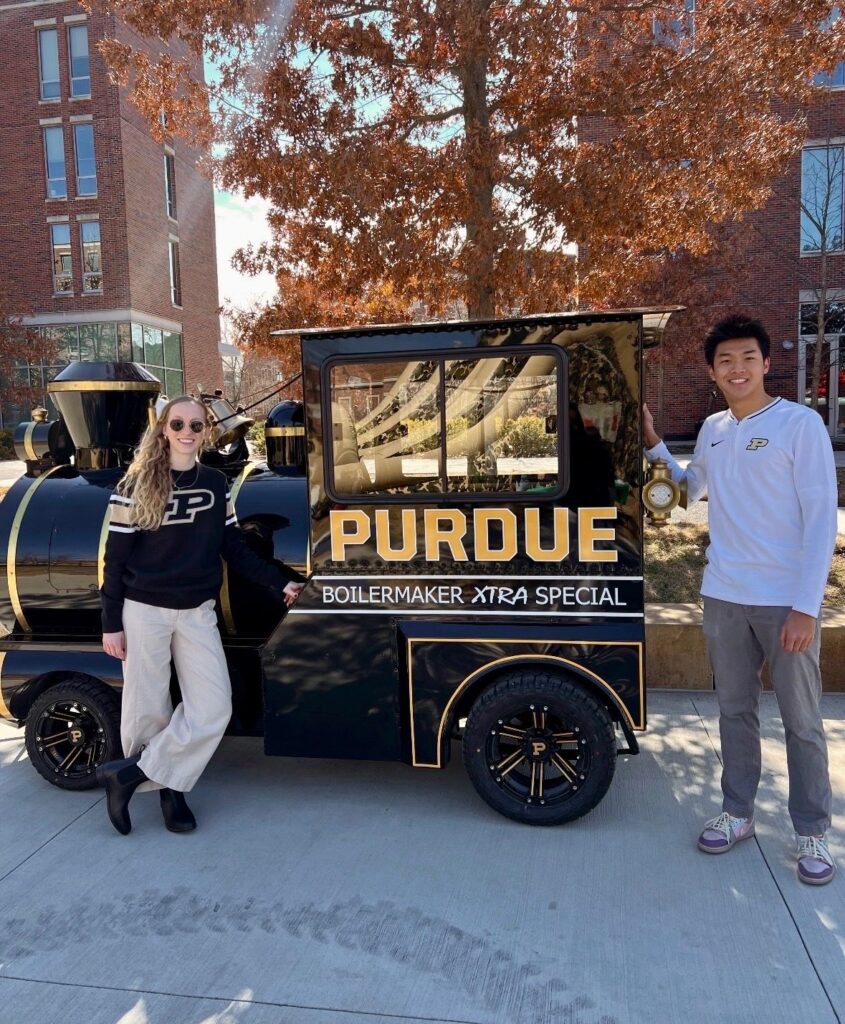
At Purdue University, Alan Wang experienced that model firsthand.
From Student to Student CEO
As Spring 2026 Student CEO of Purdue’s campus store, Alan leads and shapes the future of the store’s experience.
During his term, he hired and trained 10 new team members, including three team leads, coached employees, supported merchandising and customer experience decisions, and looked for new ways to connect the store with the Purdue community.
The experience also changed how he thought about leadership.
“When I first stepped into this role, I expected to learn how to run a business. What I didn’t expect was how much I would learn about leadership,” shared Alan.
Alan identified collaboration, adaptability, and innovation as three of the competencies in which he grew most. He also became more confident leading others, communicating with intention, and thinking strategically.
Learning Through Real Responsibility
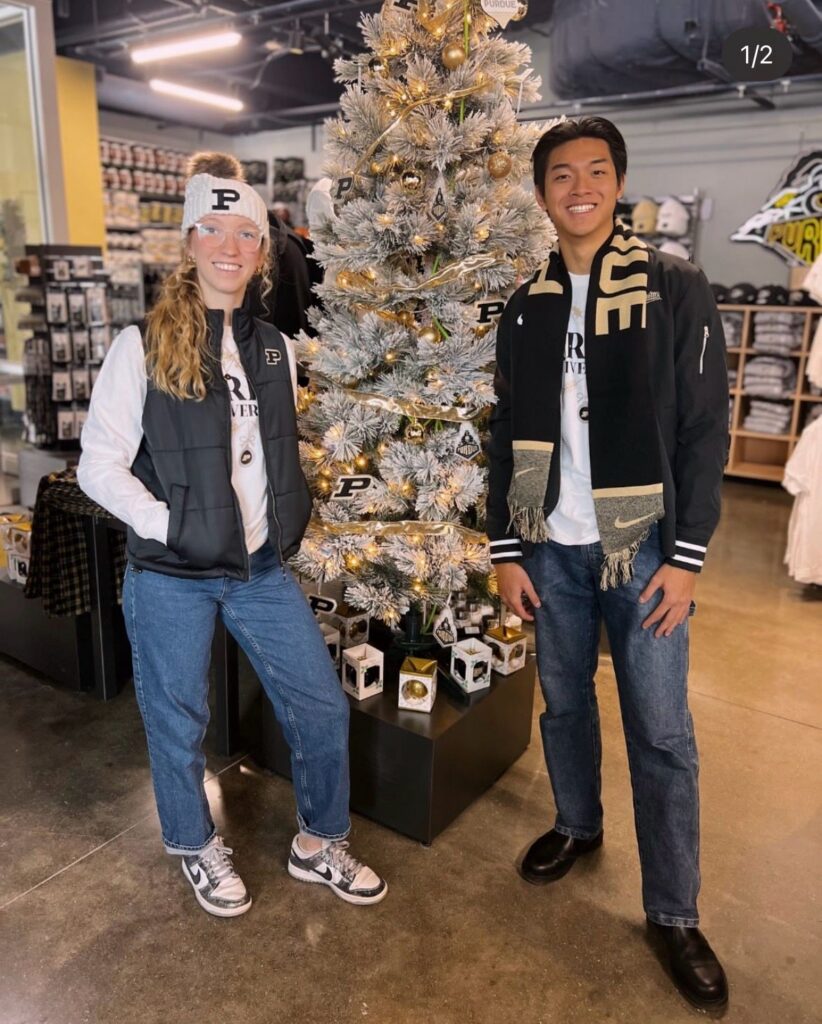
The model centers on three areas: team development, community leadership, and financial management. For Alan, those lessons became tangible through projects and decisions with real outcomes.
One example was a merchandise capsule tied to Purdue’s Grand Prix. Rather than treating it as his own project, Alan divided responsibilities across the store team based on individual strengths. The result was a collaborative effort that doubled sales during launch week.
He also gained experience connecting everyday business decisions to measurable outcomes. During his term as Student CEO, Alan used sales trends and customer insights to inform merchandising decisions, from adjusting product placement to introducing new apparel and preparing the store for major campus events. These efforts were part of a broader team performance that helped the Purdue store finish the year-to-date period ahead of the previous year.
“The road to increased revenue wasn’t built by one person,” explained Alan. “It was a result of a dedicated team, strong partnerships, and countless small decisions made throughout the year.”
Skills That Extend Beyond the Store
What makes experiential learning valuable is not simply the work experience itself, but the opportunity to build capabilities that translate across industries.
Follett’s model pairs responsibility with training, coaching, ongoing reviews, and a capstone experience. That structure helps students connect what they are doing day to day with broader leadership and career-readiness skills.
For Alan, those lessons included leading through trust, adapting when challenges arose, collaborating across a team, and taking ideas from concept to execution.
As he reflected at the end of his term, the principles he plans to carry forward are simple: take ownership, lead through trust, collaborate with others, and keep looking for ways to improve.
Turning Campus Experience into Career Prepartion
For Alan, six months as a Student CEO delivered strong business results. More importantly, it gave him meaningful experience as a leader and professional.
Through Follett’s Experiential Learning model, the campus store has become a place where students lead teams, make decisions, solve problems, and understand the impact of their work, all while building skills they can carry into their careers.
That is the value of experiential learning: helping students graduate with more than knowledge, but with the confidence and real-world skills to put it into action.